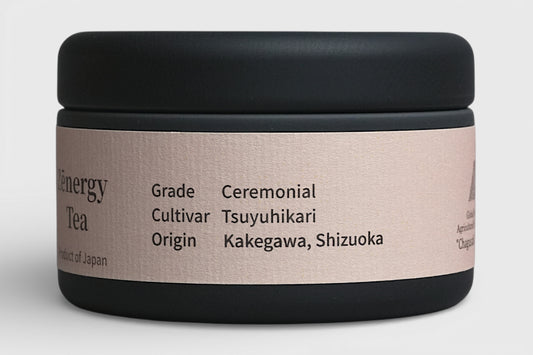
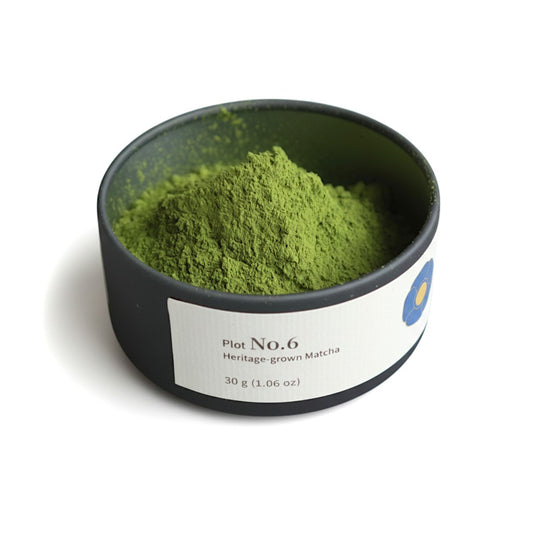
Choosing matcha for a latte starts with one practical question: do you prefer a stronger matcha presence alongside milk, or a gentler, lower-astringency cup? Explore our two current powders below, compare their published flavor descriptions, and choose a size on the product page.
Which matcha should I choose for a latte?
Plot No.7 — for a more pronounced matcha character. Our Plot No.7 product listing describes high umami, vivid aroma, and slightly more astringency than Plot No.6. It is Zenergy's featured recommendation for milk-based matcha. See Plot No.7 and select your size.
Plot No.6 — for lower astringency. Our Plot No.6 product listing describes high umami, vivid aroma, and very low astringency. Consider it if you generally prefer a gentler drying sensation in the cup. See Plot No.6 and select your size.
There are two matcha products here. Each has 30 g and 50 g formats; select the available variant on its product page. Prices and stock are shown by Shopify and may change.
What matters when choosing matcha for milk drinks?
Compare a powder's described aroma, umami, and astringency. Astringency means a drying mouthfeel; it is not the same as bitterness. The differences above come from Zenergy's published product descriptions, not controlled tests across milk types. The right choice depends on the flavor you like and how much milk you use.
How to make a hot or iced matcha latte
- Sift 2 g of matcha into a bowl or cup.
- Add 30–40 ml water at 70–75°C (158–167°F); whisk until smooth.
- Add 180–220 ml of warm milk for a hot latte, or chilled milk and ice for an iced latte. Adjust to taste.
This is the latte preparation method published on the Plot No.6 and Plot No.7 product pages. For a closer look at temperatures and taste, read Cold vs Hot Matcha.
Questions about matcha for lattes
Is Plot No.6 less bitter than Plot No.7?
Our listings describe No.6 as very low in astringency and No.7 as slightly higher. That does not establish a measured bitterness ranking; taste also depends on preparation and milk ratio.
Does a matcha latte require “ceremonial grade” powder?
“Ceremonial” and “culinary” are commonly used seller labels, not a single universally regulated grading system. Compare the product's origin, published flavor profile, and intended use instead of treating a grade label as a guarantee.
Can I use plant-based milk?
You can prepare a latte using your preferred milk, but the taste and texture may change. We do not claim that either powder has been independently tested or ranked with oat milk or other specific alternatives.
Explore the powders and learn more
Compare Plot No.7 and Plot No.6, or start with our Matcha 101 guide. Product-origin and flavor descriptions are Zenergy's published product information.